Surging Ahead: Why the Carbon Credit Market Is Projected to Soar Beyond USD 482 Billion by 2035
Amid climate urgency, the carbon credit market has become a key financial and environmental sector, estimated to surpass USD 482 billion by 2035. What’s fueling this growth and what does it mean for sustainable development?
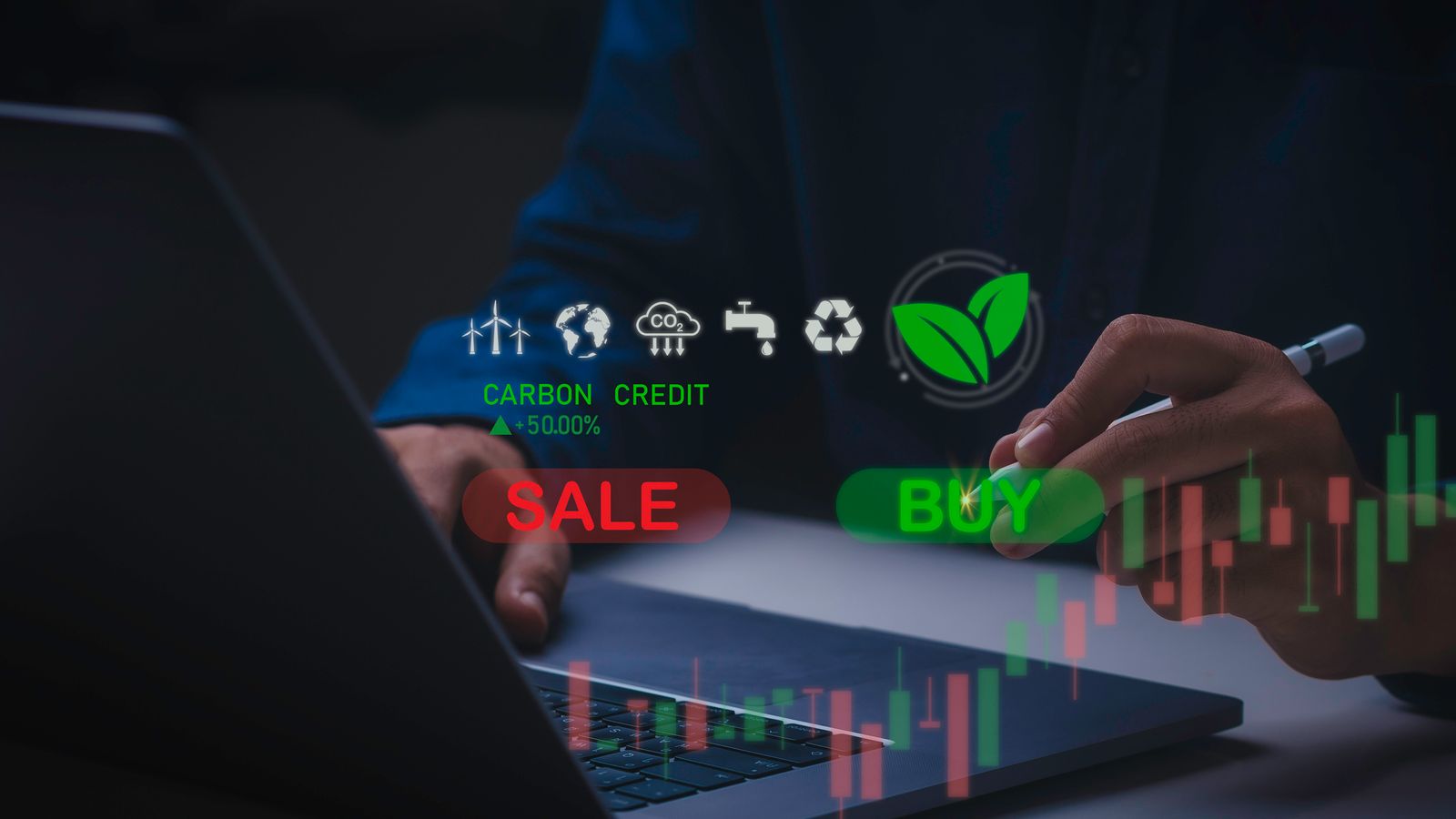
In an era defined by climate urgency and corporate accountability, the carbon credit market has emerged as one of the most dynamic financial and environmental sectors of the 21st century. With global projections now estimating the industry’s valuation to exceed USD 482 billion by 2035, stakeholders across business, government, and civil society are taking note. What’s driving this explosive growth — and what does it mean for the future of sustainable development?
Understanding Carbon Credits: A Primer
At its core, a carbon credit represents the reduction or removal of one metric tonne of greenhouse gas emissions, typically carbon dioxide (CO₂), from the atmosphere. These credits can be generated through verified climate projects — such as reforestation, renewable energy installations, methane capture initiatives, or carbon sequestration technologies — and then traded on regulated or voluntary markets.
Corporations and countries buy carbon credits to compensate for emissions they cannot immediately eliminate, effectively offsetting their environmental footprint. Over time, this mechanism creates financial incentives for innovative climate solutions — aligning environmental goals with economic value.
Why the Carbon Credit Market Is Taking Off
Several powerful trends are converging to fuel this market’s rapid expansion:
1. Heightened Climate Accountability
In recent years, governments and corporations alike have set ambitious net-zero targets. From the European Union’s Fit for 55 package to major commitments by Fortune 500 companies, the pressure to decarbonize is real. Carbon credits have become a pragmatic tool for bridging emissions gaps, especially in sectors where cleaner alternatives are still developing.
2. Expansion of Regulatory Frameworks
While voluntary carbon markets have existed for years, regulatory systems are now taking shape across multiple regions. Policies like carbon pricing, cap-and-trade systems, and mandatory emissions reporting are encouraging more structured demand for credits. As frameworks mature in places like North America, Europe, and parts of Asia Pacific, investor confidence and market liquidity are strengthening.
3. Corporate ESG and Stakeholder Demand
Environmental, Social, and Governance (ESG) benchmarks now influence everything from consumer decisions to investment flows. Companies are judged not just on profits, but on their environmental integrity. Investors increasingly screen portfolios for sustainability performance, while customers reward brands with credible climate action plans. Carbon credits provide a measurable tool in corporate sustainability strategies — often forming a cornerstone of public reporting.
4. Diverse Supply of Climate Projects
The supply side of the market is also expanding. Beyond traditional forest-based offsets, a new generation of carbon projects — including blue carbon (coastal ecosystems), soil carbon sequestration, and direct air capture (DAC) — are gaining attention. Advancements in measurement, reporting, and verification (MRV) technologies are improving the credibility and traceability of these credits, making buyers more comfortable with their investment.
The USD 482 Billion Milestone: What It Signals
Forecasting the carbon credit market to surpass USD 482 billion by 2035 is more than just a financial projection — it reflects fundamental shifts in how economies value environmental health.
Here are the key implications:
Economic Opportunity Meets Environmental Imperative
The projected growth signals a maturing marketplace where environmental performance is increasingly monetized. Climate solutions — once reliant largely on philanthropy or government support — are now attracting major private capital. This dynamic unlocks new financing models for sustainable infrastructure, clean tech innovation, and community-based environmental projects.
Global Participation and Equity Challenges
As market volumes climb, global participation is expected to diversify. Emerging economies, particularly those rich in natural carbon sinks like forests and wetlands, can benefit from responsible carbon credit development. However, this also highlights the need for equity safeguards — ensuring that local communities are fairly compensated and empowered, and that credits represent real environmental benefits.
Strengthening Market Integrity
A larger market brings both opportunity and scrutiny. Ensuring transparency, preventing double-counting, and maintaining rigorous third-party validation will be vital. Standards bodies like Verra, the Gold Standard, and emerging government regulatory frameworks will play a central role in building trust and long-term legitimacy.
Sectoral Winners and Strategic Shifts
The carbon credit boom isn’t uniform — certain sectors are poised to benefit more than others:
Forestry and land use: Still dominant in credit volumes, with significant potential in reforestation and avoided deforestation projects.
Regenerative agriculture: Soil carbon projects are gaining favor as farmers adopt practices that increase soil carbon storage.
Technology-driven solutions: Direct air capture, bioenergy with carbon capture and storage (BECCS), and industrial carbon removal are attracting investor interest due to their scalability and innovation potential.
Blue carbon ecosystems: Coastal and marine habitats are being recognized for their carbon storage potential, creating new project categories and market niches.
Challenges on the Road Ahead
Despite the excitement, the carbon credit market faces hurdles:
Verification Complexity
Properly measuring carbon sequestration or emissions reductions is scientifically complex. Ensuring that credits represent additional — not business-as-usual — outcomes remains a central challenge.
Policy Uncertainty
While regulatory structures are expanding, global coherence is still lacking. Cross-border credit trading, international recognition of standards, and alignment with broader climate commitments (like the Paris Agreement) will influence market stability.
Risk of Greenwashing
As demand surges, some companies may misuse credits to mask weak decarbonization efforts. Effective reporting standards, transparent communication, and independent audits will be essential to safeguard credibility.
Looking Forward: A Transformational Market
The carbon credit market’s projected rise to over USD 482 billion by 2035 represents more than economic growth — it symbolizes a shift in how the world values environmental action. By creating financial incentives for carbon reduction and removal, this market bridges climate science and capital. When properly regulated and ethically deployed, carbon credits can accelerate emissions reductions, foster innovation, and unlock sustainable investment at unprecedented scales.
For businesses, policymakers, and climate advocates, participating in this space isn’t just an opportunity — it’s becoming a strategic imperative. As the market expands, the choices made today will shape not only financial outcomes but the health of the planet for generations to come.
Source: https://www.gminsights.com/industry-analysis/carbon-credit-market