In times of political uncertainty and polarisation, reliable polling information becomes an essential democratic tool. Across the world, opinion research and public opinion polls help citizens navigate complex political landscapes, empowering them to make informed voting decisions. They also provide policymakers with scientifically grounded insights, ensuring that public policies adequately reflect citizens’ attitudes and concerns.
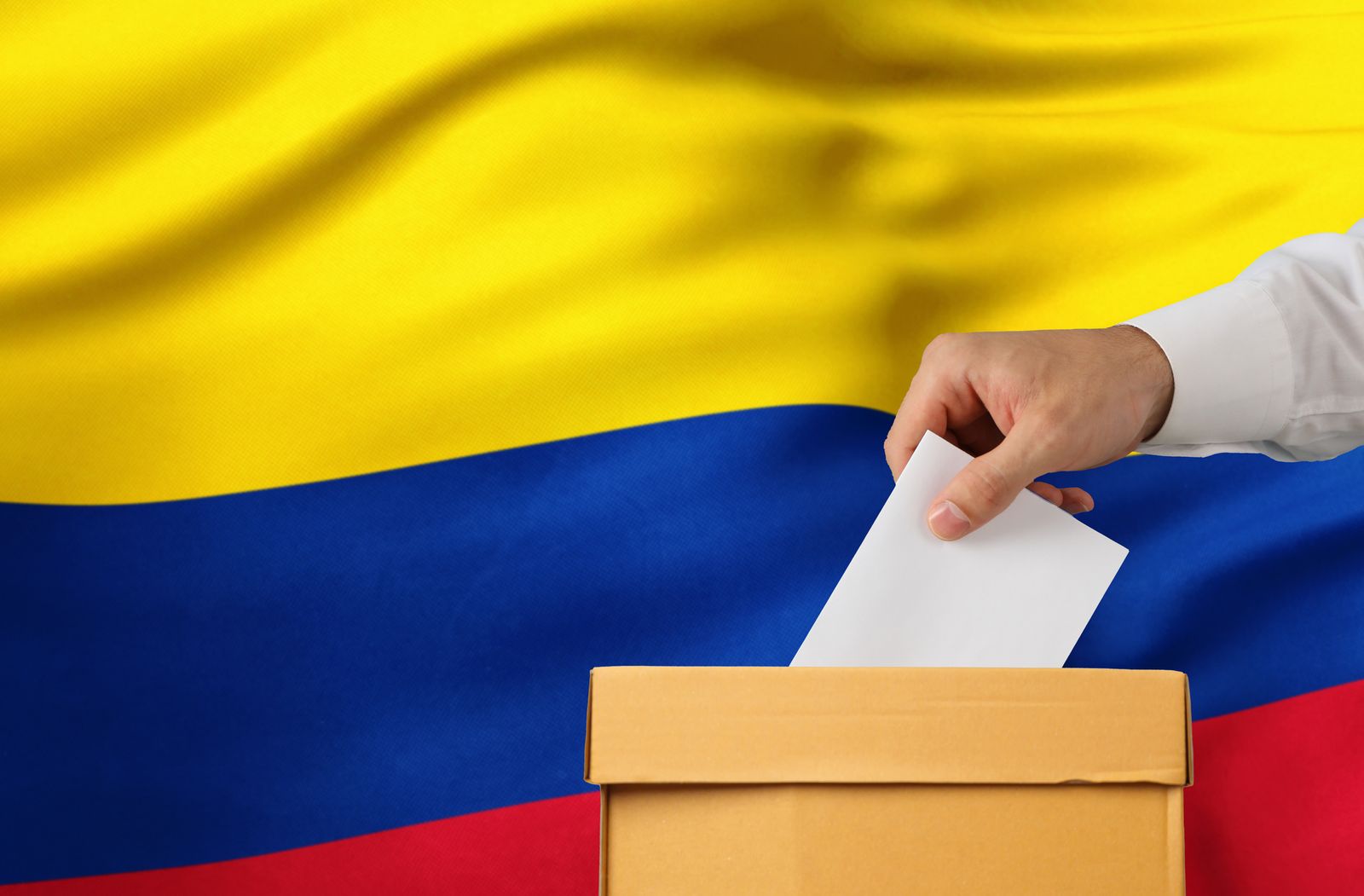
Today, this valuable democratic instrument is under threat in Colombia. In July 2025, the Congress of Colombia enacted Law No. 2494, introducing unprecedented restrictions on the creation, publication, and dissemination of electoral and political opinion polls. The legislation imposes a significant blackout on publishing electoral polls until three months before the close of candidate registration, effectively silencing polling and opinion research for most of the electoral cycle.
Esomar, with the support of several associations across Latin America, has issued a joint response calling for the repeal of the restrictive provisions. The message is clear: voters deserve timely access to verified polling information, and it is fundamental to guarantee the highest levels of democratic integrity.
A dangerous precedent for Latin America
The restrictions introduced by Law 2494 risk pushing political debate into an unregulated space characterised by unverified polls and misinformation – precisely what professional research standards aim to prevent.
This restrictive approach is unprecedented in Latin America. As highlighted in the Esomar and WAPOR Study on the Freedom to Conduct and Publish Opinion Polls[1], most countries in the region permit the dissemination of voting intention polls throughout the campaign period, imposing only brief embargoes before election day. By contrast, Colombia’s approach sets an exceptional limitation on conducting and publishing polls outside the electoral cycle, diverging significantly from regional norms and thus creating legal and operational complications.
Limiting the publication of voting-intention polls to the final three months before elections represents a serious threat to:
These limitations stand in contrast to internationally recognised standards, including those enshrined in Article 19 of the UN International Covenant on Civil and Political Rights, which protects the right to seek, receive, and impart information of all kinds.
The Call for Action
Esomar’s work is rooted in long-standing professional standards designed to guarantee impartial and transparent opinion polls and to ensure full respect for respondents’ privacy – principles that are essential for maintaining public trust. Together with the Colombian Association of Market Research and Public Opinion Companies (ACEI) and other Latin American associations, Esomar is standing to defend citizens’ rights to information and privacy as well as the integrity of fair and transparent election.
For these reasons, Esomar and its partner associations have called on Colombian authorities to repeal the restrictions imposed by Law 2494, in order to guarantee:
The protection of Colombian’s citizens’ right to information and privacy
The reinforcement of Colombia’s commitment to electoral integrity
The safeguarding of national and international polling organisations
The alignment of Colombia’s framework with global and regional best practices for opinion research
Failure to act risks isolating Colombia’s legal framework and weakening the essential democratic function of opinion research.
The position paper is available in multiple languages and can be accessed here.