World Standards Day 2026: Building Trust in a New Era of Research
AI adoption puts research quality and trust to the test. For World Standards Day, we explore how standards, ethical codes and human oversight guide the profession’s next steps.
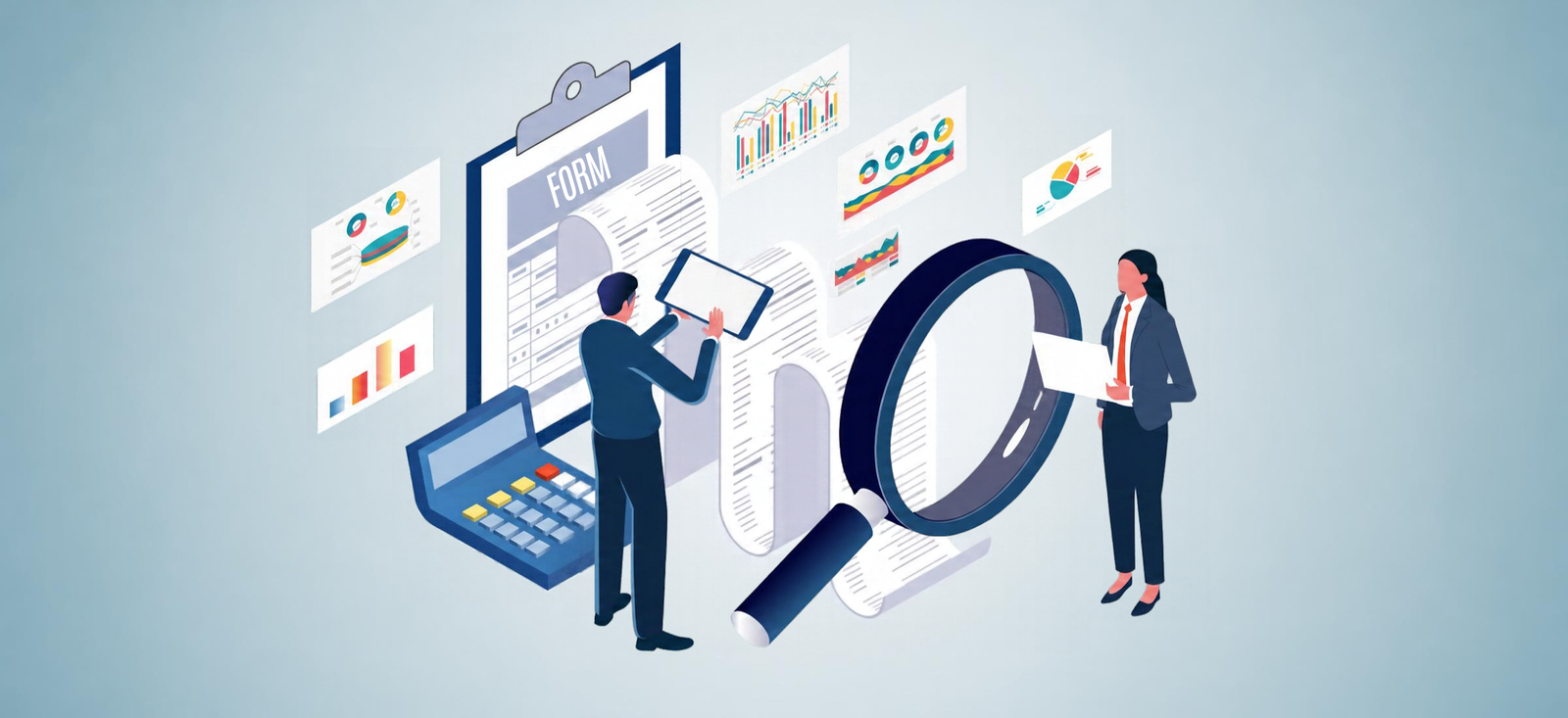
Every year on 14 October, the global standards community celebrates World Standards Day, recognising the role that standards play in enabling innovation, cooperation and trust. While standards are often associated with technical requirements, their true value goes much further. Standards create a common language, establish clear expectations and provide confidence that products, services and processes can be relied upon. In a world characterised by rapid technological change and a break-things mindset, the application of standards globally prevents the creation of rogue pockets that may undermine confidence in the industry.
This year's celebration comes at a significant moment for the insights and analytics profession where, as we saw at the Esomar Congress 2026 in Valencia, artificial intelligence has evolved from emerging technology to being increasingly embedded throughout the research process, be it in questionnaire design, translation, coding, analysis or reporting, and reshaping the way research is conducted.
For the research, insights and analytics industry, the challenge is clear: how do we embrace innovation while maintaining the trust that underpins our profession?
Innovation Without Trust is just an Illusion
The conversation around AI has evolved significantly over the past year. The exploratory questions that entertained the industry in 2025 have now transcended into a more sober look at the practical potential and limitations of AI application, and how it can be used responsibly, transparently and effectively.
Recognising the importance of this shift, Esomar launched the Esomar AI Alliance, designed to help the global insights community navigate AI responsibly, practically and collaboratively. With experts from across the profession and beyond, the Alliance focuses on three pillars: promoting responsible AI governance and standards, identifying and sharing practical knowledge and use cases, and showcasing innovation through events, training and awards.
The Alliance reflects a broader truth: innovation is most valuable when it can be trusted. Researchers, clients, regulators and the public all need confidence that AI-assisted processes are robust, transparent and subject to appropriate human oversight. Practical guidance forms an important part of that effort, as shown by the publication of the "10 Questions Buyers Should Ask Suppliers of AI-Based Research Services" and the "10 Questions to Consider When Using AI in the Research Process." Together, these tools provide practical support to organisations seeking to adopt AI responsibly and effectively.
After all, standards help accelerate innovation by providing common frameworks and shared expectations for responsible development. As such, they reduce uncertainty, promote accountability and allow new technologies to be adopted with greater confidence.
ISO 20252:2026 - A New Benchmark for the Industry
Perhaps the most significant standards development of the year is the publication of ISO 20252:2026, the latest edition of the international standard for market, opinion and social research, including insights and data analytics.
Supported by Esomar and developed through extensive international collaboration, the revised standard responds to these industry’s profound changes and strengthens data quality provisions, modernises requirements relating to sampling and panel management, addresses the growing role of AI and emerging technologies, and further aligns research quality requirements with broader information security and management systems frameworks. The revised standard, published on 1 September 2026, marks the culmination of a multi-year effort by experts from around the world.
While ISO 20252:2026 recognises the evolving role of technology, it maintains its core principle that quality, transparency, accountability and human oversight remain central to the delivery of trustworthy research.
With the publication of the new standard, a new phase begins, focused on adoption, implementation and education and ensuring a recognised framework for quality throughout the industry as organisations begin aligning their practices with the revised requirements.
A global underpinning ethical framework
Alongside formal standards, self-regulation continues to play a vital role in maintaining trust.
The ICC/Esomar International Code on Market, Opinion and Social Research and Data Analytics remains the cornerstone of ethical practice for the global research profession. Developed jointly by Esomar and the International Chamber of Commerce (ICC), the Code establishes high-level principles for conducting research responsibly, protecting personal data, ensuring transparency and maintaining integrity throughout the research process. And the importance of principle-based guidance only grows as technology develops.
Since its publication in July of 2025, the latest edition of the ICC/Esomar International Code of Conduct has been adopted by 52 (and counting) national and regional associations worldwide, compared to 49 associations that adopted the 2017 edition. That growing adoption demonstrates the profession's ongoing commitment to shared ethical principles and effective self-regulation.
From Standards to Practice
While standards and codes establish the foundation, their practical implementation is equally important.
Over the years, Esomar has supported researchers through a wide range of guidelines and best-practice resources – primary data collection, secondary data use, demographic harmonisation, data privacy and research governance – to help organisations translate high-level principles into day-to-day practice.
But elevating the industry’s quality baseline also necessitates industry-wide collaboration, especially when it comes to safeguarding data quality. As such, the Global Data Quality Initiative (GDQ), supported by Esomar and numerous partner associations, continues to produce practical resources, common terminology and research aimed at strengthening confidence in the data collected and delivered by the profession. The initiative's focus on fraud prevention, measurement, transparency, participant experience and quality standards reflects a growing recognition that trustworthy insights depend on trustworthy data and demonstrates the value of collective action in addressing shared challenges.
Building the Future Together
World Standards Day is ultimately a celebration of collaboration. Whether through international standards such as ISO 20252, ethical frameworks such as the ICC/Esomar International Code, practical guidance on AI and emerging technologies, or industry-wide initiatives focused on data quality, the underlying objective remains the same: building trust.
As the research, insights and analytics profession continues to evolve, that trust will remain one of its most valuable assets. Innovation and standards, far from being opposing forces, complement each other by allowing innovation to flourish responsibly, consistently and with confidence through a common framework.
Happy World Standards Day!
Xabier Palacio
Head of Intelligence, Advocacy and Standards at EsomarXabier guides the creation of influential studies, reports, and guidelines at ESOMAR while overseeing the Departments of Professional Standards, Intelligence, and Public Affairs. He leads efforts to provide industry insights, maintain ethical standards, and advocate for the sector’s interests. ESOMAR, a global hub for research, insights, and analytics since 1947, supports over 50,000 professionals and companies worldwide. Under Xabier’s leadership, these departments ensure the industry’s continued growth, fostering collaboration and advocating for responsible practices with regulators and legislators.
Originally from Spain, Xabier has been living in the Netherlands for a number of years, where he studied a Master in International Economics followed by a Master in Marketing at the Erasmus University of Rotterdam. He is fluent in Spanish and English, has a decent command of Dutch, and loves music about as much as analysis.