Appetite for Adoption: How GLP-1Treatments are Changing Culture
GLP-1 treatments are significantly impacting culture, transforming our views on food, wellness, socialising, and beauty. CMOs in this sector are likely discussing this daily, especially in the US.
There is no doubt that GLP-1 treatments are having a profound effect on culture, changing our relationship with food and drink, the discussion of wellness, socialising behaviours, and beauty standards. It is predicted that over the next 4 years, GLP-1s will take $55 billion off the food & beverage industry*. CMOs of food and drink companies are probably meeting on a daily basis to discuss this, particularly in the US; and if they're not they should be. One thing is clear, GLP-1s are changing culture.
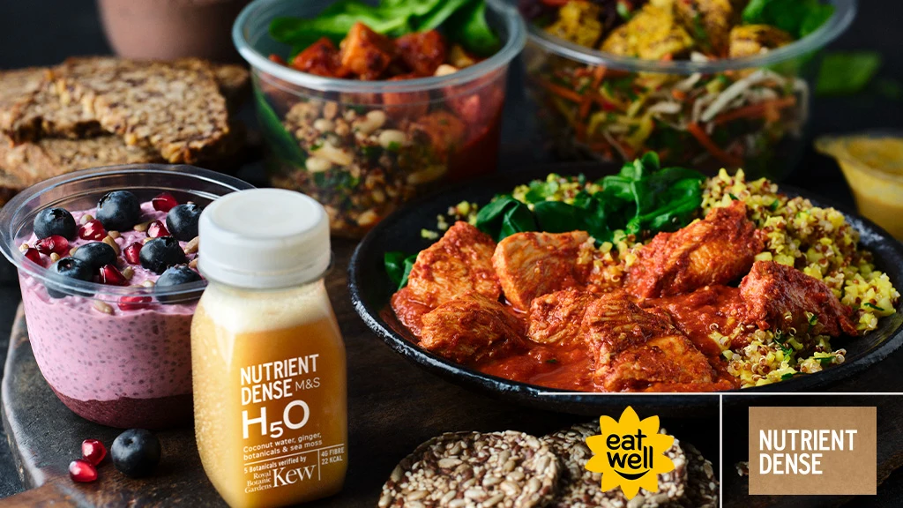
British retailer Marks & Spencer’s new ‘Nutrient Dense’ range for example, or Shake Shack’s ‘Good Fit’ Menu, are both tailored to deliver protein and fibre packed offerings, in small format portions to meet the needs of the growing GLP-1 user population.
I love and enjoy all food again— and in my opinion, my enjoyment is even greater with these meds. I am so satisfied by small tastes of food and now feel zero regret or guilt. it. is. awesome!” – Reddit user
But in many ways the influence of GLP-1 treatments - injectables (and emergently tablets/pills) used to manage type 2 diabetes and obesity by suppressing appetite - is only starting to be felt. Changing behaviours and perspectives take time to be fully encoded into the cultural mainstream, making it difficult to keep up with developments.
In order to both understand the state of change now, and where things might be heading, Sign Salad recently collaborated with our text analysis partners Relative, to conduct a comparative semiotic language analysis, looking at the nature of the global online discussion of GLP-1 treatments. Gathering thousands of posts from GLP-1 user Reddit forums, we compared the language used in the first half of 2025 (when awareness of these treatments started to enter the mainstream), vs the second half of the year when adoption of these treatments grew significantly. The first set included over 60k posts, with the set from the second half of 2025 encompassing 68k, illustrating the growing and dynamic nature of the discussion.
This comparison unearthed significant changes in the nature of the cultural conversation, reinforcing the ongoing potential for GLP-1treatments to transform how we think of wellness, and impact the food and beverage, pharmaceutical, beauty, and hospitality categories, among many others. Let’s look at some of our key findings...
The Protestant Work Ethic:
In a Western cultural mindset, wellness has often been framed through the lens of what has become known as the ‘Protestant Work Ethic’, where benefit must be earned through an equivalent display of hard work. Popularised in the 1930s, this concept is embedded in the 21st century in “no pain no gain” narratives, and leads to scepticism towards pharmaceutical solutions to obesity and other health challenges. In the GLP-1 discussion data from the first half of 2025 there was direct reference to this lingering stigma:
There's a medication that is proven to help people lose weight, reclaim their lives, feel better, prevent disease (which they would need medication for and surgery), and we don't want them to take it because it is cheating? crazy talk” – Reddit User
While some of these connotations continue in culture at large, this ‘protestant work ethic’ narrative was clearly strongly influencing GLP-1 users in the first half of 2025, with references to the “difficulty” and “hard” elements of treatment occurring 10% more than in the second half of the year. This reflected a desire during this period, to outwardly communicate the intense effort required, in order to justify the use of these treatments to others.
 -- Credit: Dollar Gill - Unsplash
Credit: Dollar Gill - Unsplash
-- Credit: Dollar Gill - Unsplash
Credit: Dollar Gill - Unsplash
Positive Influence:
In general, the sentiment in the discussion of GLP-1 treatments is increasingly positive. Reddit conversations concerning GLP-1 treatments reference ‘happiness’ and ‘positive’ mood states over 9x more than general online conversation. This sense of positivity is targeted both at users themselves: “I did a side by side with a pic at my heaviest and I got absolutely giddy about how much difference there is”, as well as being shown in support of others e.g. “seeing this is truly something I can hope for myself one day 😭 you look so happy ! congratulations and Bravo! 🙌”.
This abundant positivity is clearly changing the tonality of pharmaceutical wellness discussions, and aligning the GLP-1 treatment community more closely with the mutual support narratives found in team sports or at running clubs, such as those set up by Nike, Lululemon, Adidas, or Mikkeller etc.
In the first 6 months of 2025, Reddit discussion focused often on the immediate dietary and lifestyle changes experienced by GLP-1 users; e.g. “I also stopped my nightly bottle of wine and have the nice side benefit of losing 15 pounds.”, “it's definitely taken away cravings that I've had […] and I never really think about alcohol at this point.” But in some instances this led to a bit of a negative sentiment about the notion of losing some sources of enjoyment. “it's not the drug that makes you lose weight, it's the addictive part of your brain that goes quiet. I went out for a beer and burger. I had a beer and cup of soup”, “once a Cabernet lover, now I can't touch the stuff.” There was also a feeling that the ability to challenge cravings and overcome deeply embedded behaviours may go well beyond food, and alcohol, “it may even help curb, gambling and shopping addictions.”
Over time, discussion of the benefits of GLP-1 treatments has moved to focus less on diet, towards appreciating the aesthetic benefits. References to mirrors for example increase by 40% in the second half of 2025, “I'm in shock every time I walk past the mirror and have to walk it back, saying "is this me"? no way!!!”, and “I caught my reflection in a public bathroom mirror in profile yesterday and was stunned that my shape is no longer an apple.”
As patients are increasingly seeing the sustained benefits of GLP-1 treatments, this narrative of beauty, self-confidence and aesthetic appeal is only likely to grow, suggesting an increasing sense of GLP-1 user pride and celebration.
Domestic Routines:
Finally, this sense of growing acceptance is shown in the way that GLP-1 treatments are increasingly becoming a part of our domestic routines. One example of this is the way that in the second half of 2025 references to “fridges”, “freezers”, and “refrigeration” occurred 80% more than in the first 6 months. Discussions regarding the practicalities of the storage of treatments, and how to best incorporate these into your home and work life grew significantly, with advice including; “get a mini fridge and keep it in your closet”, or to “place it [the treatments] at the back of your shared [workplace] fridge”.
Moving beyond their initial emergence as a wonder drug with a “wow” factor, the online discussion of GLP-1 treatments is increasingly departing from the hype and sensational efficacy claims, to reflect a kind of mundane practicality, grounded in the day-to-day realities for patients, reflecting a broader acceptance of, and growing integration of GLP-1 treatments into culture at large.
Key Takeouts for Brands:
The impact of GLP-1 treatments is only just starting to be felt in culture. Grocery and restaurant options are already present, but we should expect to see a proliferation of these. The expansion of GLP-1 user targeted products and services in beauty, beverage, and wellness more generally, offer significant innovation opportunities for a wide variety of brands – and those brands will need advice from cultural, semiotic, and language experts to ensure their messaging is relevant.
Moving beyond stigma, pharmaceutical wellness solutions are becoming increasingly accepted, celebrated, and integrated into contemporary life, and we can expect to see a continued growth of consumer interest in both GLP-1 treatments, and in new treatments in other categories that can offer similarly radical and impactful lifestyle benefits.
Given the impact of GLP-1s brands will need to create new language and visuals to accurately communicate how they meet the new consumer and cultural needs. Pairing Sign Salad’s cultural & semiotic lens with Relative’s comparative language analysis approach offers an opportunity to understand cultural discussion at scale and unpack key cultural drivers directing current and future behaviour across a range of categories affected by the rise of GLP-1s; most particularly food & beverage, beauty, fashion, &wellness.
*stats from Circana, JP Morgan & Pilot Lite
Mark Lemon
Director at Sign SaladMark Lemon is a Director at Sign Salad where he has worked as a semiotician and cultural analyst for 11 years. He also leads Sign Salad’s in-house language analysis offering, and has conducted foresight, semiotics, and language analyses for strategic, tactical, and creative brand challenges across the food & drink, retail, healthcare/pharma, beauty, energy, media, charity and govt sectors/categories.