Authenticity as Spectacle: The Rise of the Performative Male
A new archetype is emerging: the Performative Male — a man who appears emotionally aware, spiritually curious, and refined. He embraces wellness culture, flirt with feminist ideas, and displays personal growth, blending sensitivity with a curated image.
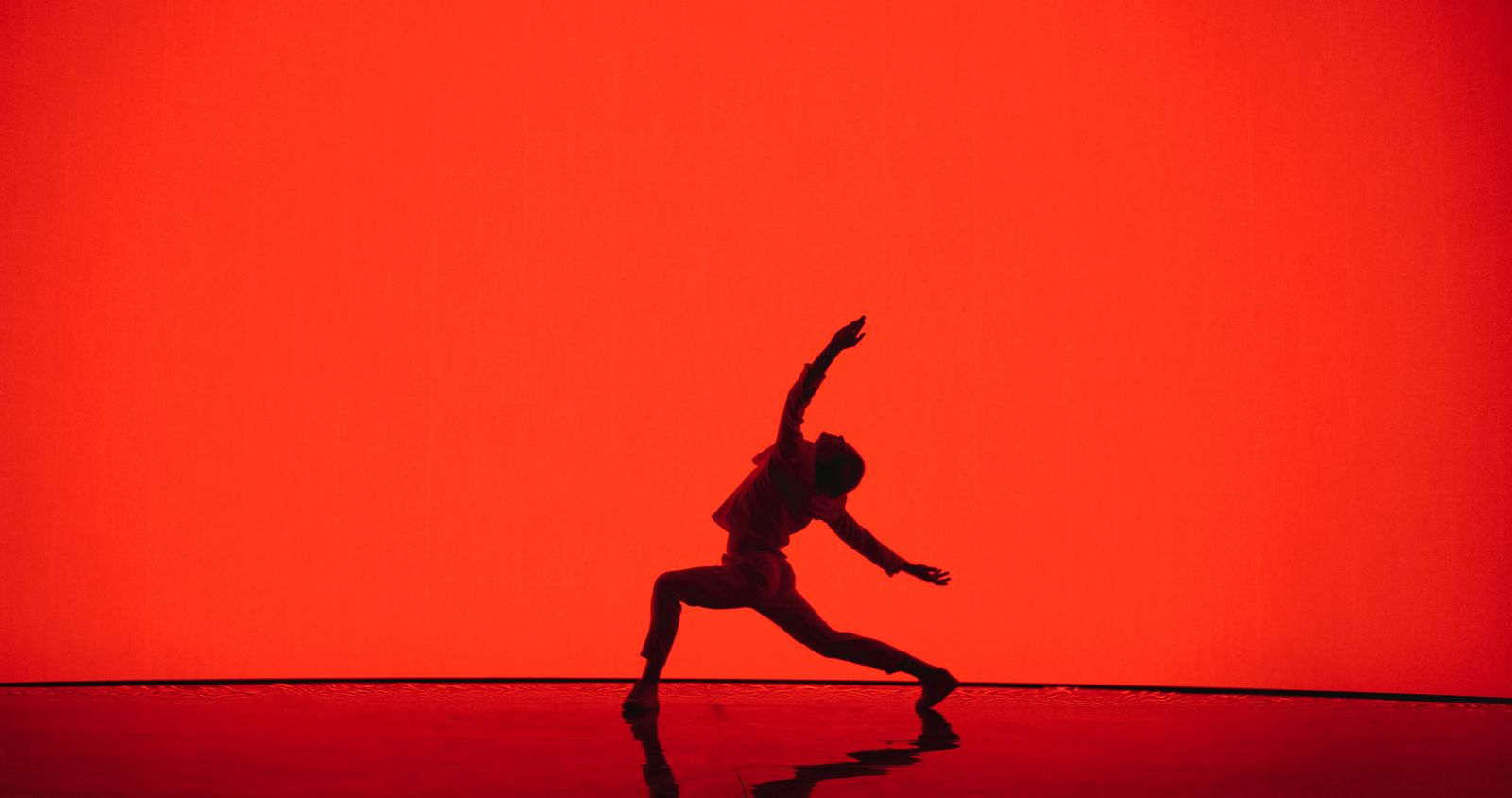
A New Archetype Emerges
Move over toxic masculinity. Hit the road, finance bro. Make room for the Performative Male. A new persona, who is emotionally fluent, aesthetically curated, and spiritually aware. He drinks matcha, knows his moon sign, flirts with feminism, and posts carousels about healing. And yes, he probably listens to indie pop folk music “for its emotional honesty,” obviously.
Look beyond the stereotype and you’ll see that Performative Males are more than just a meme. It’s a cultural moment. And while experts are quick to sound the alarm, I see something else entirely: young men experimenting, expressing, and having fun. This isn’t manipulation. It’s performance as play.
According to USA Today, performative men go to great and often cringe-worthy lengths, to signal how sensitive, intellectual, and emotionally attuned they are, without being any of those things. Think of the guys who have perfect vision but still wear glasses and clutch a copy of Joan Didion wherever they go. Their lives are a constant performance, curated to show others, especially women, how enlightened they are. “The trend is about appealing to the female gaze” TikToker @ellabellaaa_ explains in a video, adding that the typical performative man thinks he’s not like other guys, that he’s emotionally aware.
Let’s rewind
The term “performative male” gained traction in 2025, spreading through TikTok, Instagram, and meme culture. He’s the soft-boy rebrand of the emotionally unavailable alpha. Only now armed with tote bags, wired headphones, and a carefully curated Spotify playlist. Cosmopolitan called him “a genre of man that’s always existed, now meme-ified.” But this isn’t just a digital trend. IRL contests celebrating the performative male have popped up in cities worldwide. Think runway-style shows sponsored by startups and matcha brands, where contestants compete in emotional depth and aesthetic flair.
Where Is It Happening
The trend has gained so much traction that performative male contests are taking place all over the world. San Francisco, Jakarta, New York, Berlin and London have all hosted events drawing large crowds, sometimes several hundreds of people. These pop-ups, part satire, part celebration, are held in parks, galleries, cafés and quite frequently on university campuses. The vibe? Wes Anderson meets Joan Didion meets Gen Z therapy speak. Tote bags, dangly earrings, and Lana Del Rey soundtracks set the mood. Contestants might perform a musical intermezzo on the ukelele or read from a poetry book to showcase their soft side. Often, they have to answer tricky questions from the crowd to determine a winner.
Let’s unravel this archetype further
He’s in his 20s or 30s, conventionally attractive in a soft way, and socially aware. He doesn’t manspread but sits with legs crossed, mindful not to take up too much space. His tote bag bears the logo of an independent bookshop, signalling a preference for literature and the analogue lifestyle over doomscrolling. His T-shirt might sport a feminist slogan THE FUTURE IS FEMALE. He might carry tampons as a thoughtful gesture. And yes, he drinks iced blueberry matcha while fiddling with his Labubu doll keychain.
Online, the archetype thrives in reels and carousels. He’s everywhere and nowhere because he’s not a fixed identity. “I’m a mood board, a vibe, a collage of curated contradictions,” he might explain.
What Do Experts Say?
Here’s where things get spicy. This Elle article warns that the performative male is just another manipulative archetype. A wolf in ethical, book-smart clothing. They argue that he weaponizes vulnerability, uses feminism as a pickup strategy, and performs emotional depth for social currency. He’s not here to be better, they say. He’s here to appear better. A column in Tigernewspaper suggests that performative men are “more than a funny meme or silly competition, but rather an overlooked version of sexism that needs to be stopped.”
To me, this feels a little bit like classic pop psychology: vague red flags dressed up as insight. Yes, some men perform to attract others. So do women. So do most people. But what does any of this have to do with drinking matcha or reading feminist literature?
Why Is It Interesting?
Because it’s fun. Because it’s fluid. Because it’s authenticity in flux. The performative male is not a threat but a mirror. He reflects a generation raised on aesthetics, therapy speak, and curated vulnerability. And while some experts clutch their pearls, I see creativity, play, and experimentation.
We can’t keep looking at post-internet manifestations through a pre-internet lens. I have two teenage boys and constant access to Gen Z creatives. They tell me what’s up and their take is this: Authenticity is shapeshifting. The performative male is part of that shift. He’s not pretending to be deep, he’s genuinely phoney. And when performance becomes public art, maybe it’s time we stop diagnosing and start appreciating. Perhaps, as Forbes Magazine suggests, the distinction no longer matters in a world where performance isn’t hiding reality. The performance is reality.
Authenticity Is Not Dead. It’s Shape-Shifting
For marketers, the lesson is neither that authenticity is over nor that sincerity is dead. It’s that authenticity is no longer singular, solemn, or stable.
Gen Z operates in a hybrid space between AI and analog, irony and sincerity, performance and belief. In this landscape, authenticity is not a fixed trait to be claimed in a brand manifesto. It is a fluid, layered spectrum, constantly negotiated in public. The Performative Male embodies this shift: not fake, not fully sincere, but experimenting in plain sight. An interesting blog on Vortex delves deeper into the phenomenon, beckoning the question; can we turn performance into genuine transformation?
Brands that cling to heavy-handed earnestness risk feeling outdated. But brands that reduce everything to irony risk becoming hollow. The opportunity lies in understanding authenticity as dynamic cultural play and creating space for young consumers to explore who they are becoming, not just signal who they want to appear to be. Aspirational brands such as New Balance are already tapping in.
Remember, trends, like authenticity, are in constant flux. So, while the performative male trend may have peaked in 2025, here’s your heads-up to prepare for the pushback. The antidote, if you will. I expect we’ll soon welcome a cohort of young adults who appear not to be trying at all. They’ll project that they have no f*cks to give and could not care less how they come across. The aesthetic will be unpolished, shabby and in need of ironing. The conversation uninspired. The attitude unimpressed. All very bare-minimum effort. Let’s call it Chaotic Human. This, too will be performative. But let’s save that for the next piece.
Pernille Kok-Jensen
Trends & Cultural Insights Director at MAREPernille Kok-Jensen – Trends & Cultural Insights Director, MARE
Pernille Kok-Jensen is a seasoned expert with 20 years of experience turning trends and cultural insights into powerful, actionable strategies. With a sharp eye for emerging signals and a deep understanding of cultural shifts, she helps organizations across industries anticipate change and stay ahead of the curve.
Blending her background as a trend researcher and creative strategist, Pernille crafts future-proof strategies that resonate. She has guided leading start-ups, scale-ups and leading brands such as MTV, Spotify, Stoov, Nike, Glenfiddich, ANWB, Campina, and VGZ in navigating cultural shifts and embedding innovation.
A published author and award-winning keynote speaker, Pernille is known for her bold thinking and passionate storytelling. Born in Denmark in 1976 and raised across Africa and Asia, she holds a Bachelor’s degree in International Culture & Communication and a Master of Arts. Fun fact: her early career as a nightlife performer in her twenties adds a unique creative edge to her strategic work today.