Commercial & Industrial Solar PV Market to Surpass USD 164.1 Billion by 2034
A New Era of Clean Energy Transformation
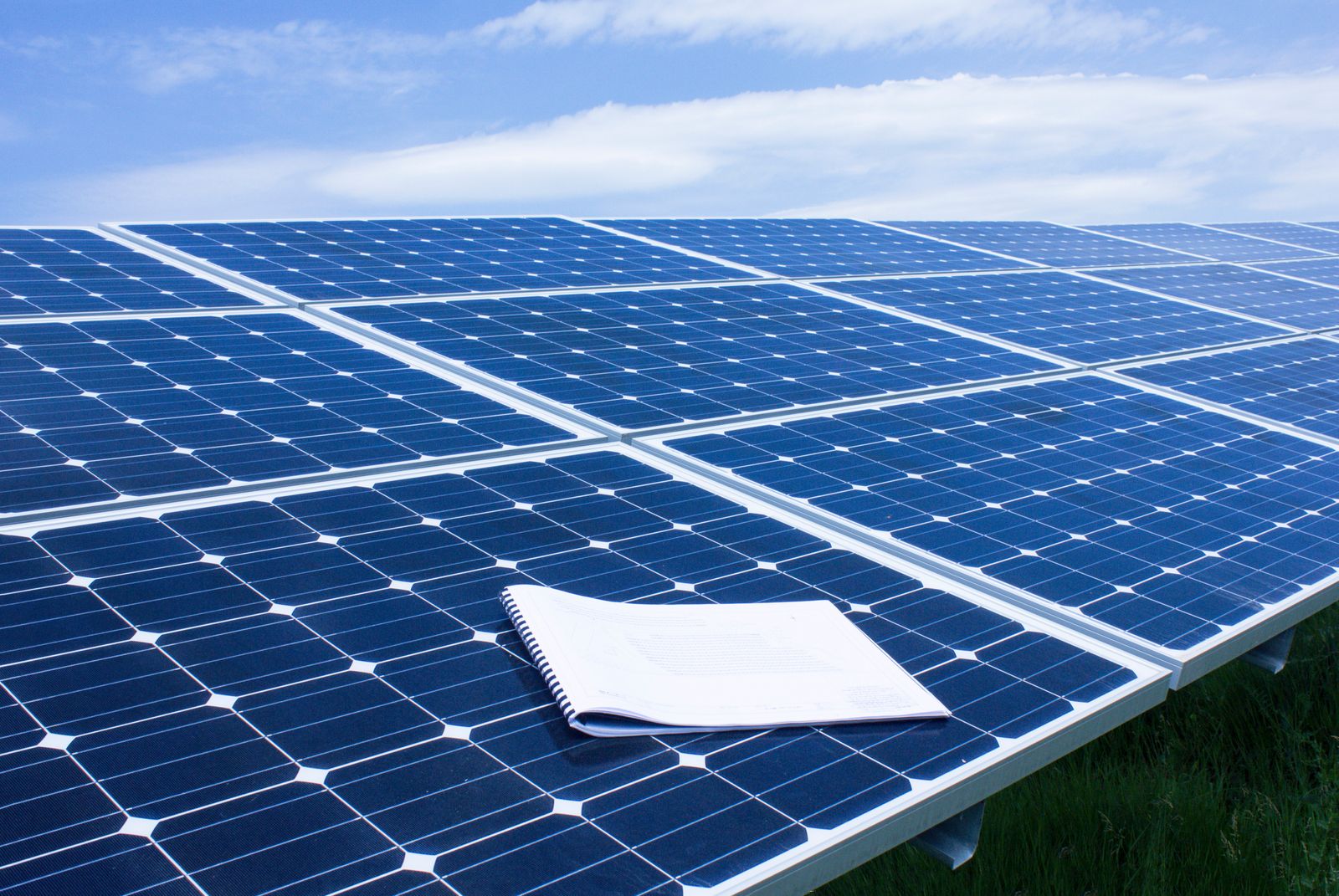
The global shift toward sustainable energy is accelerating at an unprecedented pace, and the commercial and industrial (C&I) solar photovoltaic (PV) sector stands at the center of this transformation. Businesses across the world are rethinking how they consume energy, driven by rising electricity costs, environmental regulations, and long-term sustainability goals. As a result, the commercial & industrial solar PV market is poised for remarkable expansion, with projections indicating it will exceed USD 164.1 billion by 2034, growing at a steady CAGR of around 10.1% from 2025 to 2034.
Rising Demand for Clean and Cost-Efficient Energy
One of the primary drivers behind this growth is the increasing demand for cost-effective and reliable energy solutions. Commercial establishments such as office complexes, shopping malls, hospitals, and data centers require a continuous power supply. Similarly, industrial facilities depend heavily on uninterrupted electricity to maintain production efficiency.
Solar PV systems provide a viable solution by offering long-term cost savings and energy independence. Unlike conventional energy sources, solar power allows businesses to lock in predictable energy costs, reducing exposure to fluctuating electricity prices. Over time, this translates into significant operational savings, making solar adoption an attractive investment.
Moreover, the declining cost of solar modules and advancements in photovoltaic technologies have made installations more affordable than ever. These cost reductions, combined with improved efficiency, are encouraging more businesses to adopt solar energy at scale.
Government Policies and Incentives Fueling Growth
Government initiatives worldwide are playing a critical role in accelerating the adoption of solar PV systems. Policies such as tax credits, subsidies, renewable purchase obligations, and feed-in tariffs have significantly lowered the initial investment burden for businesses.
Net metering, in particular, has emerged as a powerful incentive. It allows businesses to feed excess electricity generated by their solar systems back into the grid in exchange for credits. These credits can then be used to offset future electricity consumption, improving the overall economic feasibility of solar installations.
Countries like India, the United States, and several European nations are actively promoting solar adoption through national programs and renewable energy targets. Such initiatives are not only boosting installations but also encouraging innovation in solar technologies.
Corporate Sustainability Goals Driving Adoption
In recent years, sustainability has become a core priority for corporations worldwide. Businesses are increasingly committing to net-zero emissions and carbon neutrality targets, pushing them to transition toward renewable energy sources.
Solar PV systems offer a practical pathway to achieve these goals. By integrating solar energy into their operations, companies can significantly reduce their carbon footprint while enhancing their brand image and meeting regulatory requirements.
Large corporations, in particular, are investing heavily in on-site solar installations and power purchase agreements (PPAs). This trend is expected to continue, further driving the expansion of the C&I solar PV market.
Technological Advancements Enhancing Efficiency
Technological innovation is another key factor shaping the future of the commercial and industrial solar PV market. The integration of advanced technologies such as artificial intelligence (AI), smart inverters, and energy storage systems is transforming how solar energy is generated and managed.
AI-powered tools are being used for site analysis, system design, and predictive maintenance, helping to optimize performance and reduce operational costs. Additionally, the development of high-efficiency solar panels and bifacial modules is increasing energy output, making solar systems more productive.
Energy storage solutions, such as battery systems, are also gaining traction. These systems enable businesses to store excess energy and use it during peak demand periods or grid outages, enhancing reliability and energy security.
Expanding Applications Across Industries
The adoption of solar PV systems is expanding across a wide range of industries. Commercial buildings, including offices and retail spaces, are among the largest adopters due to their high energy consumption and available rooftop space.
Industrial sectors, such as manufacturing and warehousing, are also witnessing rapid growth in solar installations. These facilities require large amounts of energy for continuous operations, making solar an ideal solution for reducing costs and ensuring energy stability.
Additionally, sectors like healthcare, education, and logistics are increasingly integrating solar PV systems into their infrastructure, further broadening the market scope.
Regional Growth Trends
The Asia-Pacific region is expected to dominate the commercial and industrial solar PV market, driven by rapid industrialization, urbanization, and supportive government policies. Countries such as China, India, and Japan are leading the adoption of solar energy, with significant investments in renewable energy infrastructure.
North America and Europe are also witnessing strong growth, supported by favorable regulatory frameworks and increasing corporate sustainability initiatives. Meanwhile, emerging markets in Latin America, the Middle East, and Africa are presenting new opportunities due to rising energy demand and improving economic conditions.
Challenges and Future Outlook
Despite its promising growth, the market faces certain challenges. High upfront installation costs and longer payback periods can deter some businesses from adopting solar PV systems. Additionally, issues related to grid integration and energy storage need to be addressed to ensure seamless operations.
However, ongoing technological advancements and supportive policies are expected to mitigate these challenges over time. As solar technology continues to evolve, costs are likely to decline further, making it even more accessible to businesses.
Looking ahead, the commercial and industrial solar PV market is set to play a pivotal role in the global energy transition. With increasing awareness, favorable economics, and strong policy support, solar energy is becoming a cornerstone of modern business operations.
Conclusion
The projected growth of the commercial & industrial solar PV market beyond USD 164.1 billion by 2034 reflects a broader shift toward sustainable and resilient energy systems. Businesses are no longer viewing solar energy as an alternative but as a strategic necessity.
As industries continue to prioritize cost efficiency, environmental responsibility, and energy security, the adoption of solar PV systems will only accelerate. This transformation not only benefits businesses but also contributes significantly to global efforts in combating climate change and building a cleaner, more sustainable future.
Source: https://www.gminsights.com/industry-analysis/commercial-and-industrial-solar-pv-market