Solar Energy Storage Market Set to Surpass USD 423.2 Billion by 2035 Amid Global Clean Energy Transformation
The global transition toward sustainable energy is accelerating at an unprecedented pace, and solar energy storage has emerged as one of the most critical components of this transformation.
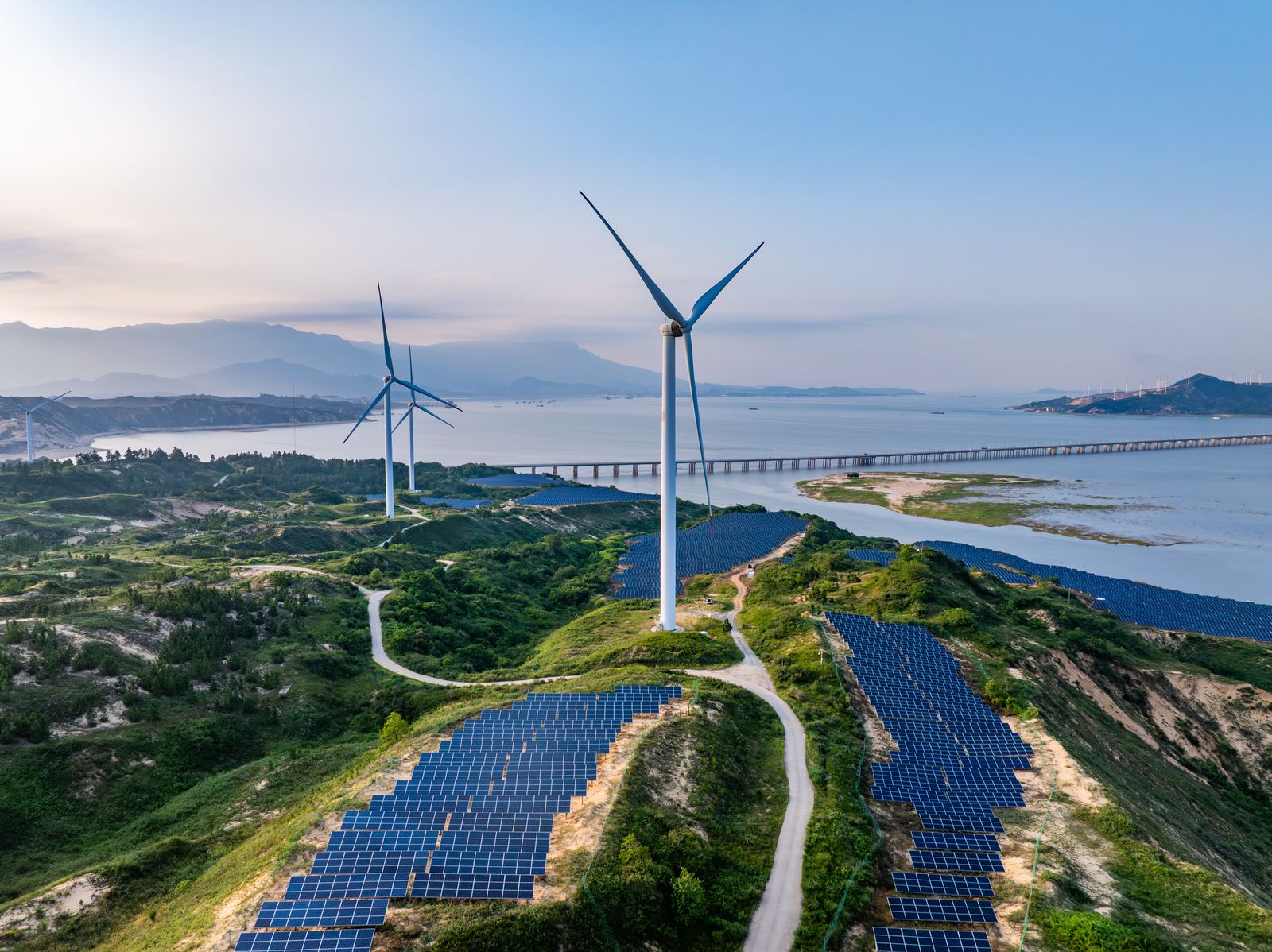
The global transition toward sustainable energy is accelerating at an unprecedented pace, and solar energy storage has emerged as one of the most critical components of this transformation. As governments, businesses, and consumers seek reliable and environmentally friendly power solutions, the solar energy storage market is witnessing remarkable growth. Industry projections indicate that the market is expected to exceed USD 423.2 billion by 2035, highlighting its expanding role in the future energy landscape.
Rising Demand for Renewable Energy Drives Market Expansion
The increasing adoption of renewable energy sources is one of the primary factors fueling the growth of the solar energy storage market. Solar power generation has become significantly more affordable over the past decade, encouraging widespread deployment across residential, commercial, and industrial sectors. However, the intermittent nature of solar energy presents challenges, as electricity generation depends on sunlight availability.
Solar energy storage systems address this issue by storing excess electricity generated during peak sunlight hours and making it available when demand rises or sunlight is unavailable. This capability enhances energy reliability and allows users to maximize the value of their solar installations. As renewable energy targets become more ambitious worldwide, the need for efficient storage solutions continues to rise.
Technological Innovations Reshaping the Industry
Rapid advancements in energy storage technologies are transforming the solar energy storage sector. Lithium-ion batteries currently dominate the market due to their high energy density, long lifecycle, and declining production costs. Continuous research and development efforts are further improving battery efficiency, safety, and performance.
In addition to lithium-ion technology, emerging storage solutions such as solid-state batteries, flow batteries, and hybrid energy storage systems are gaining attention. These innovations offer enhanced storage capacity, longer operational lifespans, and improved sustainability profiles. As technology matures, the cost of solar energy storage is expected to decline further, making it accessible to a broader range of consumers and businesses.
Digitalization is also playing a significant role in market development. Smart energy management systems equipped with artificial intelligence and predictive analytics enable users to optimize energy consumption and storage patterns. These intelligent systems improve efficiency while reducing operational costs, creating additional value for end users.
Government Policies and Incentives Support Market Growth
Government initiatives aimed at reducing carbon emissions and promoting clean energy adoption are significantly contributing to the expansion of the solar energy storage market. Many countries have introduced financial incentives, tax credits, subsidies, and favorable regulatory frameworks to encourage investments in renewable energy infrastructure.
Energy security concerns have further strengthened policy support for localized power generation and storage solutions. By integrating solar energy storage systems, households and businesses can reduce their dependence on traditional power grids while enhancing resilience during outages or periods of high electricity demand.
Several nations have established long-term renewable energy roadmaps that prioritize energy storage deployment as a key element of grid modernization. These policy measures are expected to create substantial growth opportunities for market participants throughout the forecast period.
Residential Sector Witnesses Strong Adoption
The residential segment is becoming a major contributor to solar energy storage market growth. Homeowners are increasingly investing in rooftop solar systems paired with battery storage solutions to reduce electricity bills and achieve greater energy independence.
Rising electricity prices in many regions are encouraging consumers to store solar-generated power for later use rather than relying entirely on grid-supplied electricity. Additionally, concerns regarding power outages and grid instability are motivating households to adopt backup energy systems.
Modern residential storage systems offer user-friendly interfaces, remote monitoring capabilities, and seamless integration with smart home technologies. These features enhance convenience and increase consumer interest in energy storage solutions.
Commercial and Industrial Applications Gain Momentum
Businesses across various industries are recognizing the economic and operational benefits of solar energy storage. Commercial and industrial facilities often experience high energy consumption and face significant electricity expenses. By combining solar generation with energy storage systems, organizations can manage peak demand, reduce utility costs, and improve energy efficiency.
Manufacturing facilities, data centers, healthcare institutions, educational campuses, and retail establishments are increasingly implementing energy storage solutions as part of their sustainability strategies. Many companies are also pursuing corporate environmental goals, making renewable energy investments a strategic priority.
As energy-intensive industries continue seeking cost-effective and reliable power solutions, demand from the commercial and industrial sectors is expected to remain strong throughout the coming decade.
Grid Modernization Creates New Opportunities
The modernization of electricity grids represents another major growth driver for the solar energy storage market. Traditional power infrastructure was designed for centralized electricity generation, whereas modern energy systems increasingly rely on distributed renewable resources.
Energy storage technologies help stabilize power grids by balancing supply and demand, mitigating voltage fluctuations, and supporting renewable energy integration. Utility-scale solar storage projects are becoming more common as grid operators seek flexible solutions to maintain system reliability.
The growing deployment of microgrids and community energy systems is also contributing to market expansion. These localized energy networks utilize storage technologies to ensure consistent power delivery while improving resilience against disruptions.
Regional Markets Show Strong Growth Potential
North America, Europe, and Asia-Pacific are among the leading regions driving solar energy storage adoption. In North America, supportive policies, technological innovation, and increasing renewable energy investments continue to stimulate market growth. Europe is witnessing rising demand due to ambitious climate objectives and efforts to reduce dependence on fossil fuels.
Meanwhile, Asia-Pacific is expected to experience particularly rapid expansion, supported by large-scale solar installations, urbanization, and growing energy consumption. Countries across the region are investing heavily in renewable energy infrastructure to meet future electricity needs while addressing environmental concerns.
Emerging economies in Latin America, the Middle East, and Africa are also creating new opportunities as solar energy becomes a practical solution for expanding electricity access and improving energy security.
Future Outlook
The solar energy storage market is entering a period of exceptional growth, driven by technological innovation, supportive government policies, and increasing demand for clean, reliable energy solutions. As renewable energy adoption accelerates worldwide, energy storage systems will play a vital role in ensuring stability, efficiency, and sustainability across power networks.
With the market projected to surpass USD 423.2 billion by 2035, industry stakeholders are expected to witness significant investment opportunities and continued technological advancements. Solar energy storage is no longer simply a supporting technology—it is becoming a cornerstone of the global energy transition, enabling a cleaner and more resilient future for generations to come.
Source: https://www.gminsights.com/industry-analysis/solar-energy-storage-market